Running guides, gear & club advice
Practical answers for finding a group, choosing gear, and running well in Canadian cities and seasons.
New to run clubs
5 guides-
Your first run club: what to bring and what to expect
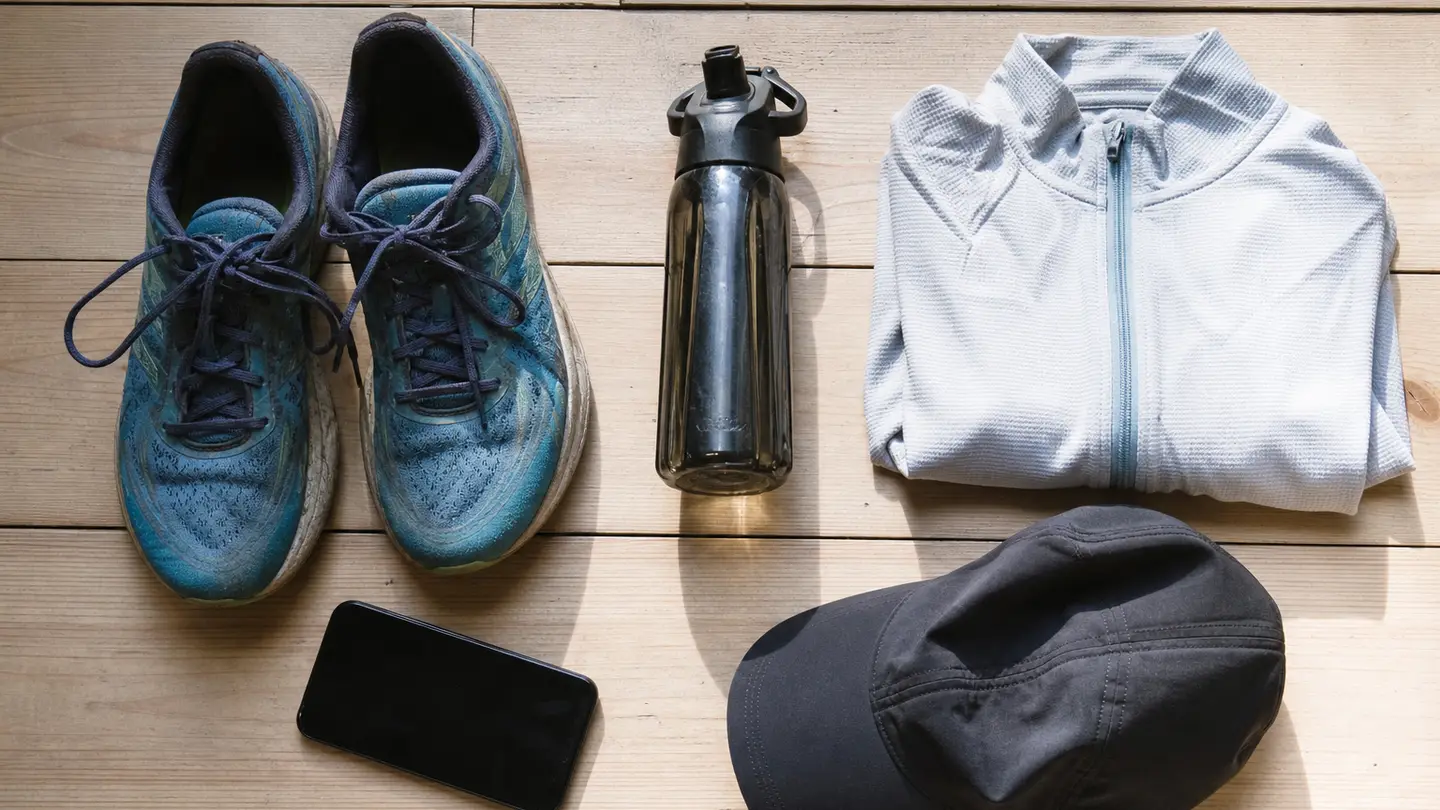
Shoes you have run in, keys, a phone, and ten minutes to spare. The first visit is easier than the version you are picturing.
-
How far do run clubs run, and how fast?
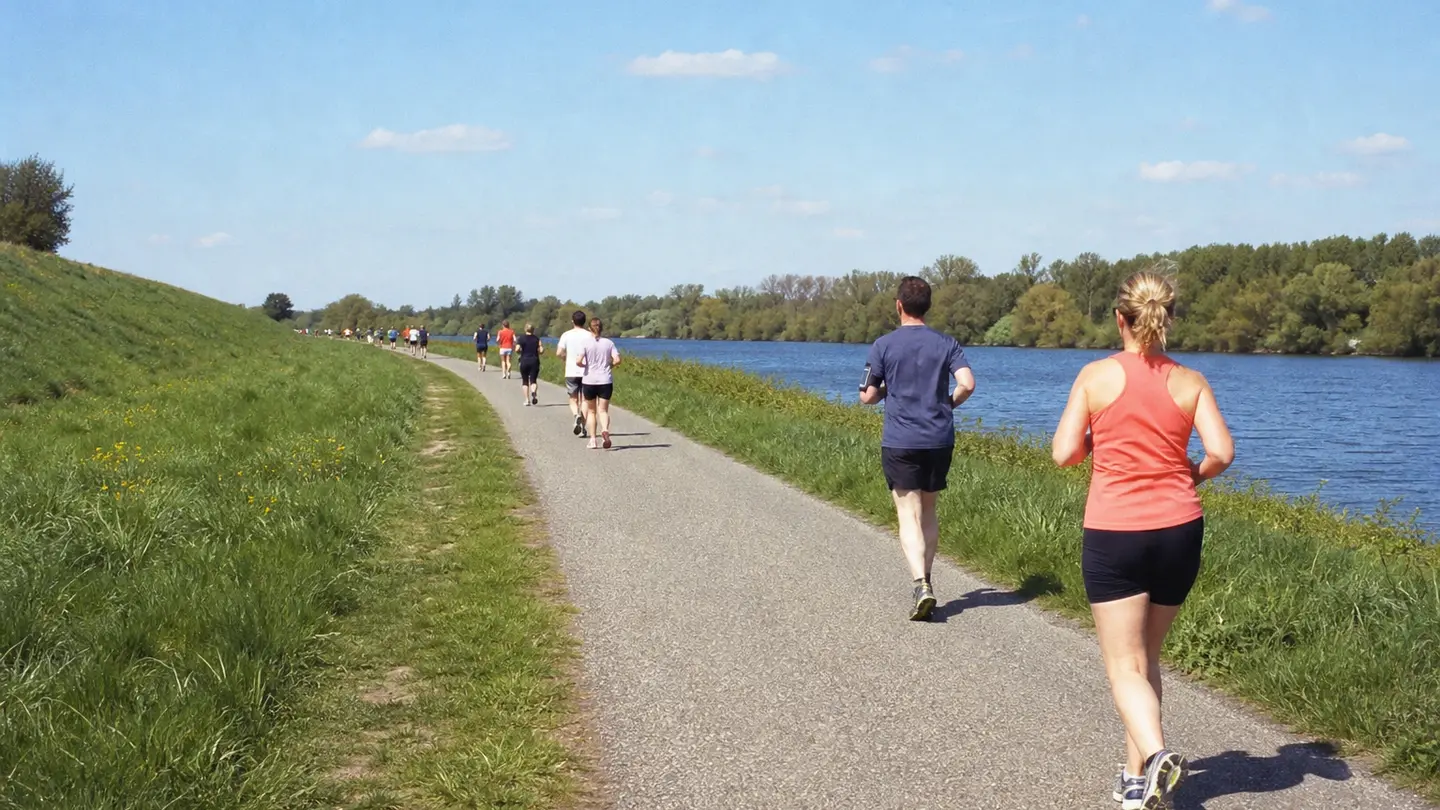
There is no standard distance. Weekday runs are short, weekend runs are long, and pace is the number that decides whether a club fits you.
-
Are run clubs free?
A volunteer-led weekly run usually has no fee. Coached training usually does. Here is how to check what a club costs before you show up.
-
How to find a run club near you
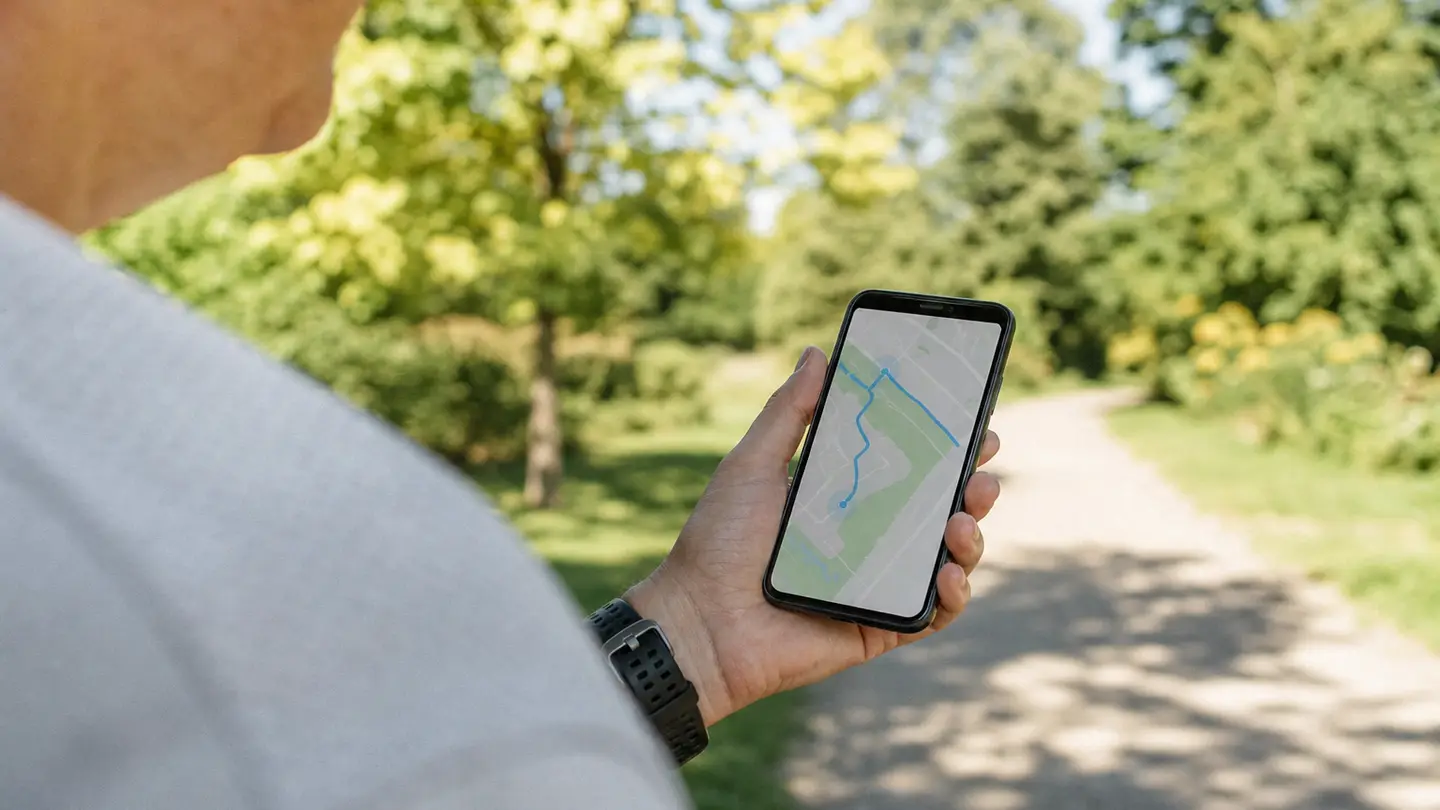
Start with the day you can actually run, not the club you like the look of. Pick your city, read the week, and show up.
-
What actually happens at a run club
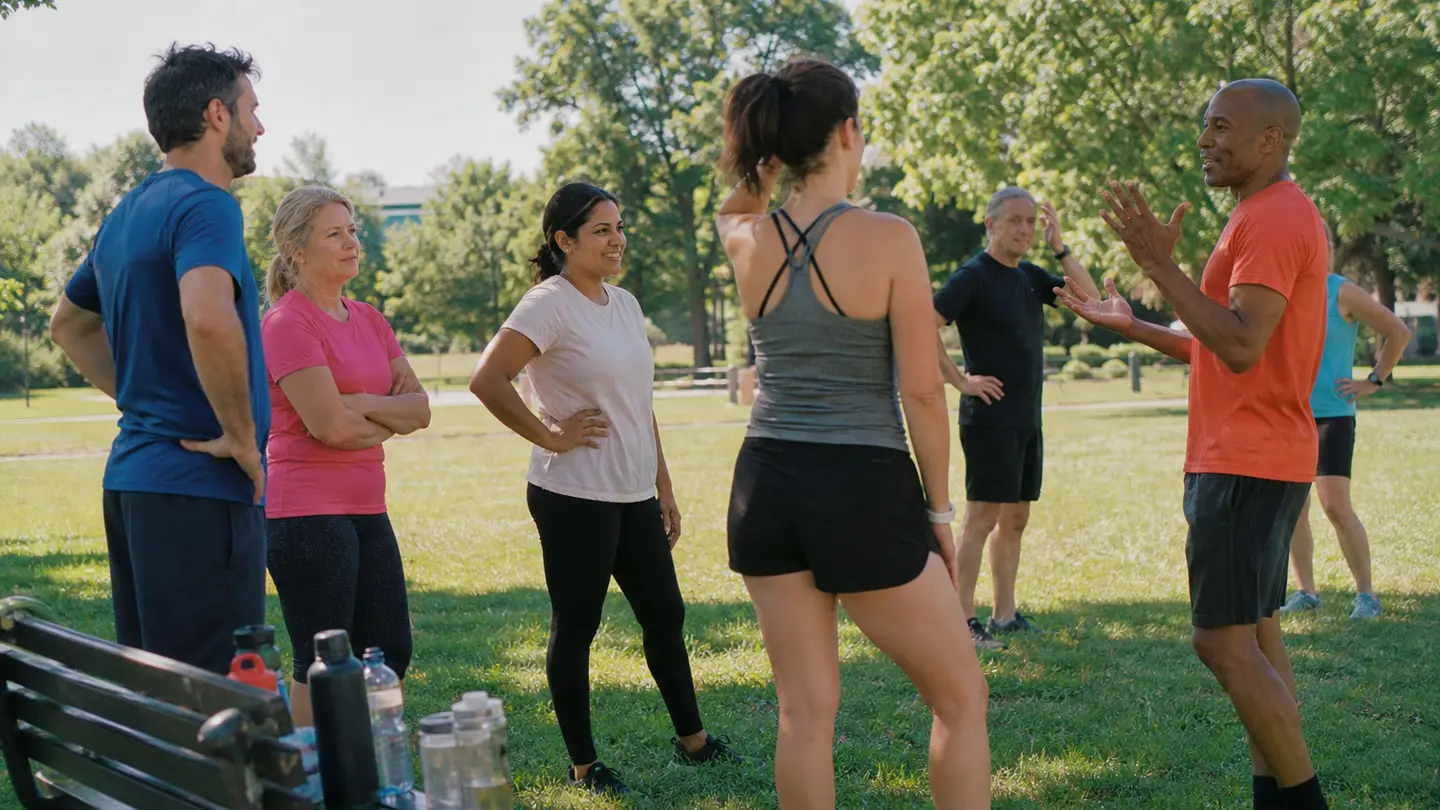
You show up, someone says the route, you run, and a few people stay for coffee. Here is the whole first visit, minute by minute.

Running a club
4 guides-
How to get your run club found
A runner three streets away cannot join a club they cannot find. Put your day, time and meeting point where people look: Google, Instagram, a directory.
-
How to start a run club at work
A workplace run club lives or dies on the time slot. One day a week, thirty minutes door to door, and five people you asked by name.
-
How to start a run club on Strava
Strava records the routes and keeps your regulars honest, but it will not find you new runners. Set the club up right, then do the other thing too.
-
How to start a run club: your first run in 14 days
A route, a time that never moves, a name, and one place to be found. Fourteen days of small decisions puts your first run on the ground.